
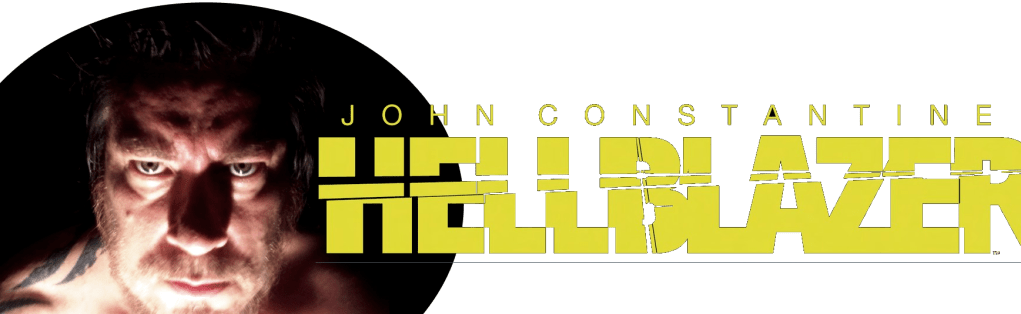
As an absolute fan of Simon Bisley, I naturally stumbled into his world through those blazing Hellblazer covers. Yes, he did interior pages, but it’s these over 20 striking painted covers (2009–2013) that really stamped the series with his essence. At a Comic Con, Bisley didn’t hesitate to say that his proudest work was on Hellblazer. And honestly? It shows.
Putting Depth into Surface
A cover artist’s job is pivotal: grab attention, pop off a crowded rack. It’s form before story. But with Hellblazer, Bisley did more. He injected real substance into the form: atmosphere, tension, even silent storytelling in a single image. These covers don’t just sell issues, they speak volumes.
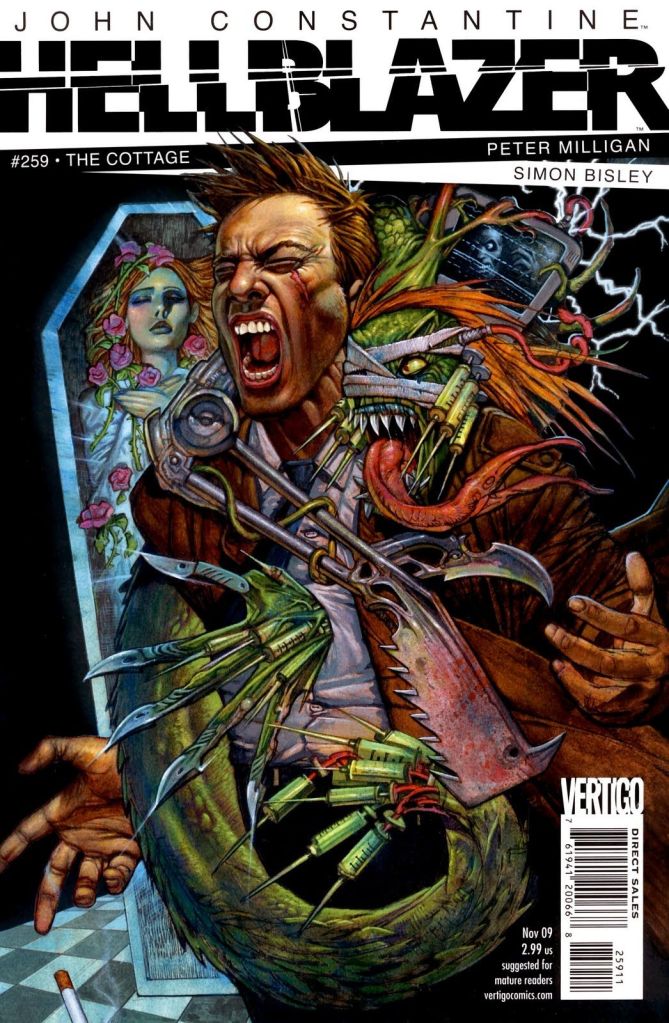
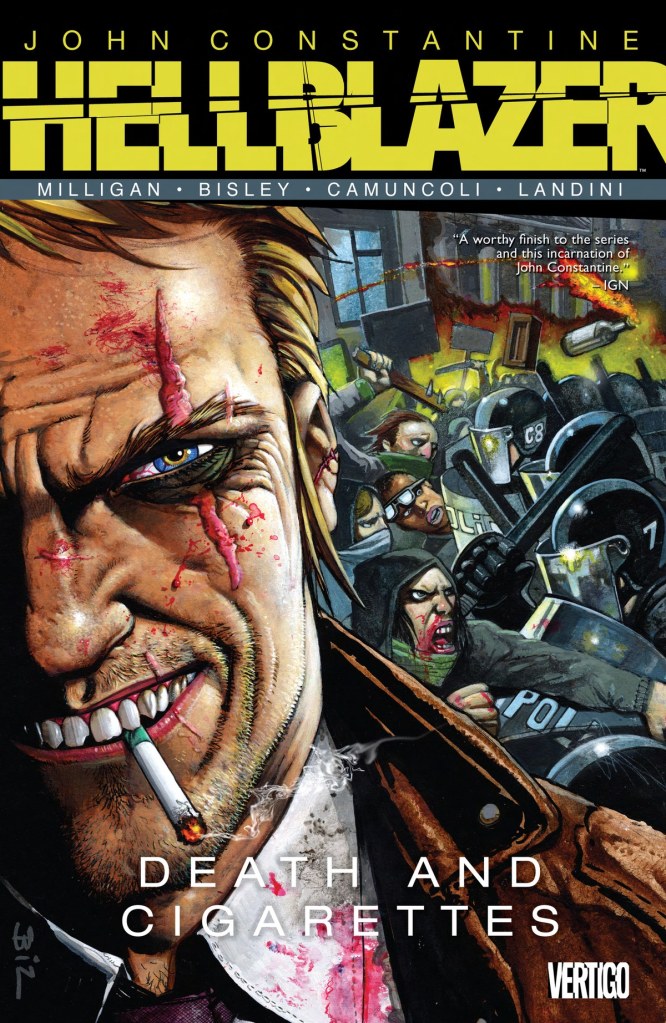
A Constantine Unrecognizable… or All Too Familiar?
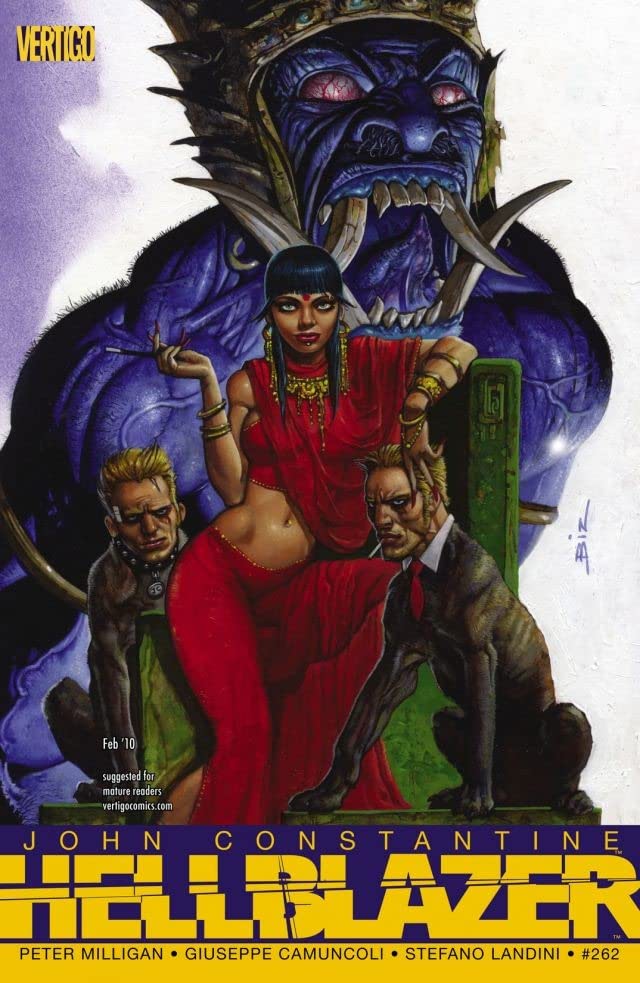
Bisley launched a new visual language on Hellblazer. The palette? Not muted or earthy, it explodes. Blood reds, electric blues, acid greens, neon pinks, it’s vivid, even toxic. He isn’t here to blend in.
Compositions are dense, occasionally off-kilter: floating objects, checkerboard floors, surreal collages. It’s nightmare surrealism, like an acid trip through a damaged subconscious.
John Constantine is always present, centered or taut, never glorified. Cigarette dangling, grin predatory or grimace pained, sometimes splattered with blood or half-hidden behind strange symbols. He’s worn down by what he sees and does, and Bisley shows it all, unflinchingly. Because he gets him. Bisley is Constantine.
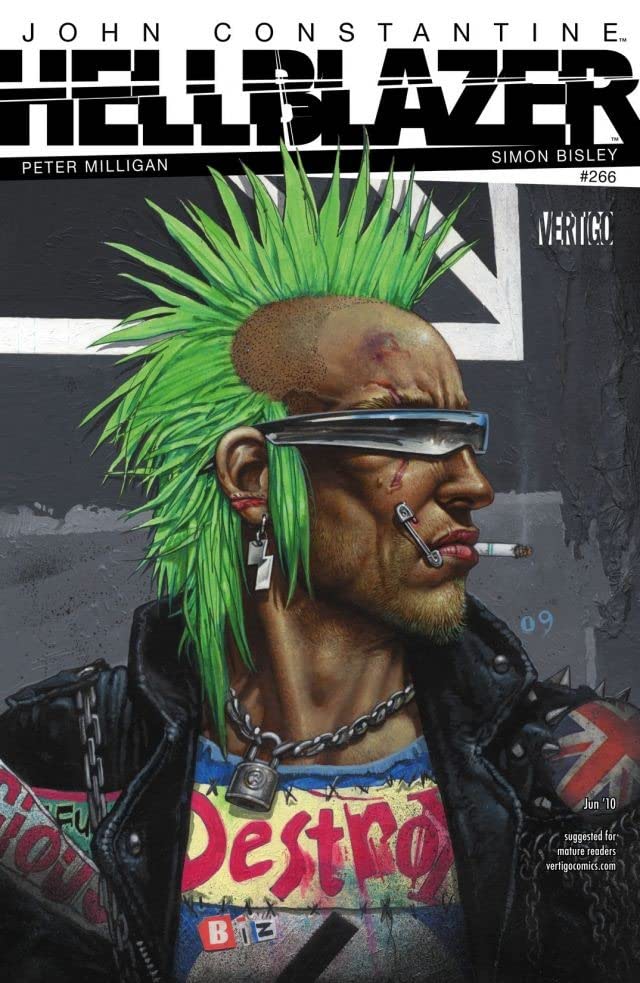
Constantine, Bisley’s Cursed Twin
Under Bisley’s brush, John Constantine ceases to be just a cynical exorcist. He becomes an incarnation, an extension, of the artist himself. Same narrowed eyes, same cigarette-near the lip, same worldview: facing chaos with a crooked grin. This Constantine doesn’t just fight demons, he downs them hard, then argues with them over drinks.
It goes deeper: on covers, Constantine’s face is literally Bisley’s. Disguised self-portraits, no illusions. It’s as if he injected himself straight into the character, no filter, no mask. “This mess? That’s me.”
They share more than looks, they share an attitude. The outsider’s clarity. Constantine, like Bisley, isn’t a hero or martyr, just a battered soul who takes hits, fights back when he must, and otherwise doesn’t give a damn. He doesn’t aim to please. He unsettles, provokes, but earns respect because he’s real.

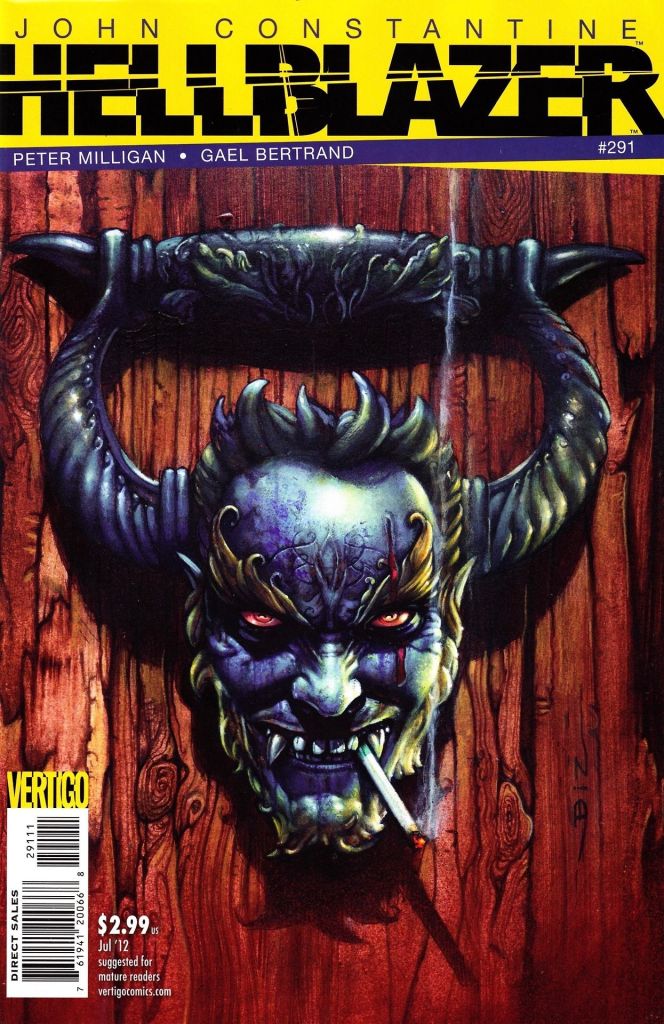
Their aesthetics echo: scarred faces, bodies under strain, grotesque yet sacred scenes. Bisley’s raw textures, fractured perspectives, and outrageous colors don’t just show Constantine, they speak for him: excess, abyss, survival through filth.
Ultimately, what does Constantine do? What Bisley does. He distills the world’s hells, personal, political, mystical, into performance art. A filthy, punk, subversive spectacle. Yet undeniably beautiful.
Conclusion – Bisley, the Demon in the Mirror
For some, drawing is a mask. For Bisley, it’s a mirror. In painting Constantine, he didn’t just craft a face, he laid down his face. Not just the features, but the exhaustion, the latent rage, the black humor, the refusal to play nice.
What’s unsettling is that these covers don’t mythologize Constantine, they bruise him, smudge him, make him achingly human. They read like a confession. As though Bisley slipped into the margins of his own panels, lurking between shadows and bursts of toxic color. He doesn’t depict Constantine, he is Constantine, the fractured, smoking double who watches the world burn.“Hell is other people,” Sartre said.
But for Bisley, hell might just be the reflection in the mirror when you paint Constantine.
A distorted echo, yes.
But a reflection, all the same.

 Simon Bisley Fanboys